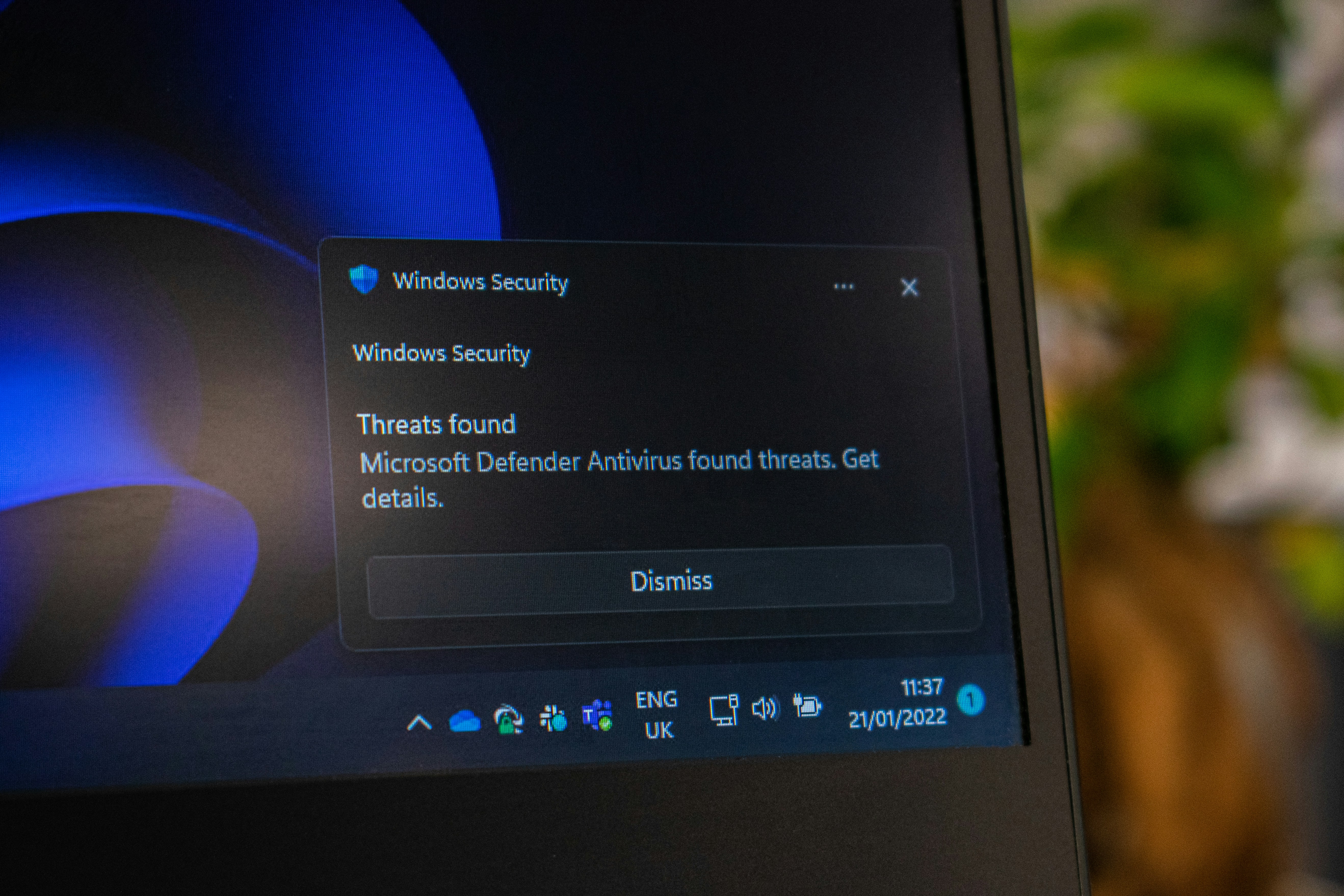
The Dual Role of AI in Modern Cybersecurity
Artificial intelligence is no longer just a tool for innovation—it has become a defining force in cybersecurity. As organizations adopt AI to strengthen their defenses, attackers are simultaneously using the same technology to develop more advanced and harder-to-detect threats. This dual evolution is reshaping how security is approached in 2026, forcing businesses to rethink traditional strategies and adopt more adaptive, intelligent systems.
At its core, AI is transforming cybersecurity by enabling systems to analyze vast amounts of data in real time. Instead of relying solely on predefined rules, modern security platforms can now identify patterns, detect anomalies, and respond to threats with minimal human intervention. This allows organizations to move faster and respond to incidents before they escalate. However, this same capability is what makes AI so dangerous in the wrong hands.
AI-Powered Cyberattacks and Emerging Threats
Cybercriminals are increasingly using AI to automate and scale their attacks. Phishing emails, for example, are no longer riddled with the obvious signs that once made them easy to spot. Instead, AI can generate highly convincing messages that mimic writing styles, tone, and even context specific to the target. This makes social engineering attacks significantly more effective, increasing the likelihood that users will unknowingly compromise sensitive systems.
Beyond phishing, attackers are also leveraging AI to identify vulnerabilities more efficiently. Automated tools can scan systems, analyze weaknesses, and execute exploits at a speed and scale that would be impossible manually. This reduces the time between vulnerability discovery and exploitation, leaving organizations with less time to react and patch systems. In addition, AI-driven malware can adapt its behavior to evade detection, making traditional security tools less effective.
One of the most concerning developments is the use of AI in creating deepfake-based attacks. These can involve realistic audio or video impersonations of executives or trusted individuals, often used to manipulate employees into transferring funds or sharing sensitive information. As these techniques continue to improve, distinguishing between real and fake communications becomes increasingly difficult without advanced detection tools.
The Importance of AI-Driven Defense Systems
To combat these evolving threats, organizations must adopt security solutions that leverage AI on the defensive side. Advanced platforms can continuously monitor network activity, correlate threat signals, and identify suspicious behavior before it leads to a breach.
Solutions like Sentinel360 provide this level of visibility by using AI-driven analytics to detect anomalies across endpoints, identities, and networks in real time. This kind of intelligent monitoring is critical in identifying subtle signs of compromise that might otherwise go unnoticed.
Combining Automation with Human Expertise
However, technology alone is not enough. Effective cybersecurity in the age of AI requires a layered approach that combines automation with human expertise. This is where managed security services play a crucial role.
By leveraging Managed Detection & Response, organizations gain access to continuous monitoring and expert-led threat analysis, ensuring that both automated systems and human intelligence work together to identify and respond to threats quickly and accurately.
Strategic Leadership in an AI-Driven Threat Landscape
Another critical factor is strategic oversight. As AI continues to evolve, organizations need guidance on how to align their security posture with emerging risks.
Engaging a virtual Chief Information Security Officer through vCISO services allows businesses to develop a long-term security strategy, prioritize investments, and stay ahead of evolving threats without needing a full-time executive role.
Adapting to a Continuously Evolving Threat Environment
AI is also accelerating the pace of change in cybersecurity itself. Security teams must now continuously adapt, learning how to defend against threats that are constantly evolving. This creates a dynamic environment where static defenses are no longer sufficient.
Instead, organizations must embrace continuous improvement, ongoing monitoring, and adaptive security frameworks that can respond to new threats as they emerge.
Final Thoughts: Staying Ahead of AI-Driven Threats
As AI continues to advance, the line between attacker and defender will only become more blurred. The same technologies that protect systems can also be used to compromise them. This makes it essential for organizations to not only adopt AI-driven defenses but also to understand how attackers are using AI against them.
For businesses looking to stay ahead in this environment, the key is to combine advanced technology with strategic expertise. More information about building a comprehensive security approach can be found at https://kmicro.com/.
-

What Is Identity Threat Detection and Response (ITDR) and Do You Need It in 2026?
31 Mar, 2026
-

How Do Hackers Bypass Multi-Factor Authentication (MFA)?
31 Mar, 2026
-
Zero Trust Security in Practice: How to Build a Resilient Enterprise Defense Strategy
31 Mar, 2026
-
The Rise of Ransomware-as-a-Service (RaaS): How Businesses Can Stay Protected
31 Mar, 2026
-
How Long Does It Take to Detect a Cyber Breach? (And How to Reduce Dwell Time)
02 Mar, 2026